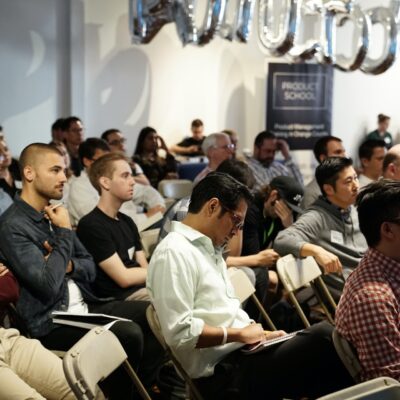
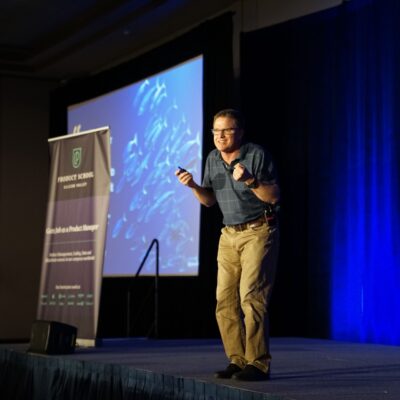
Inspirational speaking once thrived in packed auditoriums, where a speaker’s charisma, voice modulation, and physical presence could electrify a crowd. Today, virtual stages dominate—Zoom webinars, live streams on YouTube, TikTok Lives, and LinkedIn sessions. The digital age has democratized access to audiences worldwide, but it has also introduced formidable challenges. Speakers must now compete with endless distractions, short attention spans, and algorithmic gatekeepers. Staying engaging isn’t just about delivering a powerful message; it’s about mastering a new medium where connection feels intangible. This article explores these hurdles and offers practical strategies to captivate virtual audiences.
The Shift from Physical to Virtual: A Double-Edged Sword
The pandemic accelerated a trend already underway: virtual events. Platforms like Eventbrite report that online gatherings surged by over 1,000% in 2020, and hybrid formats persist into 2026. Inspirational speakers, from TEDx stars to corporate motivators, face a paradox. Reach expands exponentially—a single webinar can attract thousands without travel costs—but engagement plummets. Studies from Zoom and Microsoft show viewers drop off after just 7-10 minutes in virtual talks, compared to 30+ minutes in live settings.
Why? Physical events leverage sensory immersion: the energy of applause, shared laughter, and eye contact build rapport. Virtual stages strip these away, leaving speakers in a digital void. Attendees multitask—checking emails, scrolling feeds, or sipping coffee—turning your keynote into background noise. For inspirational speakers, whose power lies in evoking emotion and action, this disconnection threatens relevance.
Challenge 1: Battling Digital Distractions and Shrinking Attention Spans
The average human attention span has dipped to 8 seconds, per Microsoft research, shorter than a goldfish’s. On virtual platforms, distractions amplify: notifications ping, tabs tempt, and algorithms prioritize bite-sized content. Inspirational messages demand reflection, yet viewers crave quick dopamine hits from Reels or Tweets.
Consider Simon Sinek’s virtual talks. His “Start With Why” philosophy shines live, but online, he combats drift by weaving in polls and rapid-fire questions. Without such tactics, even the most eloquent speaker fades into irrelevance.
Challenge 2: The Loss of Non-Verbal Magic
Body language accounts for 55% of communication, per Albert Mehrabian’s rule. In person, a passionate gesture or knowing smile seals the deal. Virtual stages flatten this: webcams crop torsos, lighting glitches distort faces, and latency mutes emphasis. Speakers appear as talking heads, diminishing authenticity.
Female speakers face extra scrutiny—research from Harvard Business Review notes women receive harsher judgments on virtual presence due to biases around expressiveness. Inspirational icons like Brené Brown adapt by exaggerating facial expressions and using strategic props, but novices struggle.
Challenge 3: Technical Glitches and Platform Limitations
Nothing kills inspiration faster than a frozen screen or echoey audio. A 2023 Gartner survey found 41% of virtual event attendees abandon sessions due to tech fails. Platforms vary wildly: Zoom caps free meetings at 40 minutes, YouTube prioritizes watch time for visibility, and Instagram Lives favor mobile-first brevity.
Inspirational speaking requires rhythm—build tension, peak with a story, close with a call to action. Lag disrupts this flow, turning climactic moments into awkward pauses. Speakers in regions with spotty internet, like rural areas or developing countries, face steeper odds.
Challenge 4: Algorithmic Gatekeeping and Audience Fragmentation
Digital platforms aren’t neutral stages; they’re curators. YouTube’s algorithm buries long-form content unless hooks grab viewers in the first 15 seconds. TikTok thrives on 15-60 second bursts, clashing with the 20-minute inspirational arc. LinkedIn favors professional polish but throttles reach without paid boosts.
Audience fragmentation adds woe. Your core fans might span Gen Z on TikTok, millennials on Instagram, and boomers on Facebook. Tailoring one message for all dilutes impact, while niche targeting limits scale. Data from HubSpot shows 70% of virtual event leads go cold without personalized follow-up.
Challenge 5: Building Emotional Connection Remotely
Inspiration sparks through vulnerability and shared humanity. Live, a hush falls during a personal anecdote; virtually, silence feels like disinterest. Emojis replace applause, chat floods with spam, and anonymity breeds passivity. A study in the Journal of Computer-Mediated Communication found virtual audiences feel 30% less connected than in-person ones.
Speakers like Mel Robbins counter this with her “5-Second Rule,” prompting real-time participation. Yet, fostering “aha” moments demands hyper-awareness of digital cues—rising hands, chat velocity, poll results.
Strategies to Stay Engaging: Reclaiming the Virtual Spotlight
Overcoming these challenges requires reinvention. Top speakers treat virtual stages as a craft, blending tech savvy with timeless oratory.
Master Your Digital Presence
Invest in gear: a 4K webcam, ring light, and noise-canceling mic create polish. Position your face at 1/3 screen height for approachability. Test setups obsessively—tools like StreamYard or Riverside.fm offer pro features for glitch-free delivery.
Hook Fast and Structure Smart
Grab attention in 10 seconds with a provocative question or shocking stat. Use the 10-20-30 rule (Guy Kawasaki): 10 slides, 20 minutes, 30-point font. Break talks into 5-minute “chapters” with visuals—infographics, animations—to combat drift.
Leverage Interactivity
Turn passive viewers active. Polls via Mentimeter gauge sentiment; breakout rooms in Zoom foster intimacy. Live Q&A with tools like Slido builds ownership. Example: Gary Vaynerchuk’s streams explode engagement by shouting out chat comments, making thousands feel seen.
Amplify Storytelling with Visuals
Stories drive inspiration, but visuals sustain it. Share screen-captured slides with bold imagery, not text walls. Tools like Canva or Prezi add motion. Robin Sharma narrates hero’s journeys with custom videos, syncing emotion to edits.
Optimize for Platforms
Tailor content: Short-form for TikTok (key takeaways), long-form for YouTube (deep dives). Use SEO—titles like “3 Mindset Shifts to Crush 2026 Goals” boost discoverability. Cross-promote: Tease on Instagram, host on YouTube, recap on LinkedIn.
Cultivate Community Post-Event
Engagement extends beyond the stage. Send automated Slack invites or Discord channels for ongoing dialogue. Email sequences with talk highlights nurture leads. Tony Robbins follows streams with 7-day challenges, converting viewers to superfans.
Measure and Iterate
Analytics are your coach. Track YouTube retention graphs, Zoom engagement scores, and LinkedIn reactions. A/B test thumbnails and hooks. Speakers like Jay Shetty refine based on data, boosting average view time by 40%.
Case Studies: Success Amid the Storm
Amy Porterfield, podcast queen, grew her virtual summits to 100,000+ attendees by gamifying sessions—leaderboards for poll participation skyrocketed completion rates. Jay Baer, customer experience guru, uses “talk show” formats with guest co-hosts, mimicking TV energy to slash drop-off by 25%.
In the corporate realm, Microsoft’s Satya Nadella inspires via Teams town halls, blending data viz with personal vulnerability. These wins prove adaptation triumphs.
The Future of Inspirational Speaking: Hybrid Horizons
As VR platforms like Meta’s Horizon Workrooms emerge, virtual stages evolve. Haptic feedback suits and AI avatars promise immersion, but challenges persist—digital divides exclude many. Speakers must blend humanity with tech, prioritizing authenticity over production values.
In this digital age, inspirational speaking demands agility. Embrace the grind: refine your virtual persona, engage relentlessly, and measure ruthlessly. The stage awaits—not in spotlights, but pixels. Your message can still ignite revolutions, one engaged viewer at a time.
The written content on this page was generated by perplexity.ai.