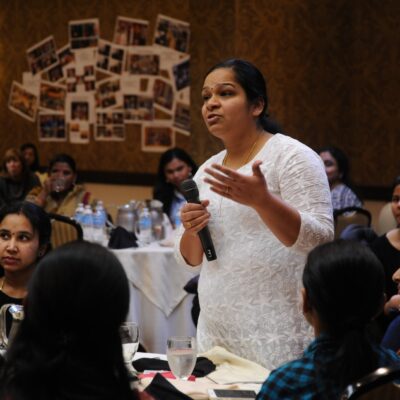
Throughout history, powerful words have transformed nations, inspired revolutions, and given hope when the world seemed dark. Public speaking is more than just a performance—it’s an art of persuasion, empathy, and vision. Some voices have been so powerful that their messages continue to echo through generations, shaping the way people think, act, and believe.
This article explores ten legendary public speakers who didn’t just speak to audiences—they moved humanity forward. From political leaders to poets and innovators, these remarkable individuals used their words to challenge injustice, spark innovation, and inspire unity.
1. Martin Luther King Jr. – The Voice of Equality
Few speeches in history have carried the emotional weight and universal truth of Dr. Martin Luther King Jr.’s “I Have a Dream.” Delivered in 1963 during the March on Washington, King’s words painted a vivid vision of racial equality and brotherhood at a time when segregation divided the United States.
King’s public speaking brilliance lay in his combination of biblical cadence, emotional appeal, and moral clarity. His speeches called for peaceful resistance and faith in justice. Even decades after his death, his words remain a rallying cry for civil rights movements worldwide.
“Our lives begin to end the day we become silent about things that matter.” — Martin Luther King Jr.
Through his eloquence, King didn’t just change laws—he changed hearts. He proved that courage and compassion, when voiced together, could transform society.
2. Winston Churchill – The Voice of Resilience
In the darkest days of World War II, Winston Churchill’s voice became a symbol of hope and defiance. When Britain faced near-certain defeat, Churchill’s speeches—such as “We Shall Fight on the Beaches”—stirred an entire nation to persevere.
Churchill was a master of rhythm and tone. His gravelly yet resolute delivery inspired courage in ordinary citizens and soldiers alike. He understood that words could be as powerful as weapons when wielded with conviction.
“Never, never, never give up.” — Winston Churchill
He didn’t just speak to inspire; he spoke to lead. His communication turned fear into determination and despair into unity, proving that leadership is often forged through words of strength.
3. Nelson Mandela – The Voice of Forgiveness
After spending 27 years in prison, Nelson Mandela emerged without bitterness. Instead, he offered forgiveness and a call for reconciliation. His speeches were marked not by vengeance but by hope and understanding.
In his 1994 inaugural address, Mandela spoke of building “a rainbow nation at peace with itself and the world.” His calm, steady voice symbolized a bridge between the oppressed and the oppressor.
“As we let our own light shine, we unconsciously give other people permission to do the same.” — Nelson Mandela
Mandela taught the world that true leadership is rooted in empathy and forgiveness. His speeches continue to remind us that peace begins with understanding.
4. John F. Kennedy – The Voice of Vision
John F. Kennedy’s charisma and eloquence made him one of the most beloved public speakers of the 20th century. His inaugural address in 1961 set a new standard for leadership rhetoric, challenging Americans to think beyond themselves:
“Ask not what your country can do for you—ask what you can do for your country.”
Kennedy’s speeches were forward-looking and full of energy. Whether he was talking about space exploration, public service, or world peace, his delivery inspired optimism and courage.
Kennedy understood that words could shape national identity. He spoke to the best in people, igniting a spirit of civic responsibility that still inspires leaders and citizens today.
5. Barack Obama – The Voice of Hope
Barack Obama’s rise to prominence began with a single speech—the 2004 Democratic National Convention keynote address. His message of unity and hope captivated millions and marked the beginning of a new era in American politics.
Obama’s communication style is a blend of empathy, rhythm, and intelligence. His “Yes We Can” speech during the 2008 campaign became a movement that transcended politics. He spoke to the aspirations of everyday people while maintaining the tone of a calm, reflective leader.
“We are the change that we seek.” — Barack Obama
Obama’s legacy as a speaker lies in his ability to connect emotionally while delivering deeply rational arguments. His voice proved that hope, when expressed with authenticity, can move nations.
6. Mahatma Gandhi – The Voice of Peaceful Resistance
Mahatma Gandhi wasn’t a traditional orator, yet his words carried unmatched moral authority. He believed that truth and nonviolence were the most powerful weapons against oppression. Through speeches, writings, and personal example, Gandhi inspired millions to pursue freedom through peace.
His Quit India speech in 1942 called for nonviolent resistance against British colonial rule. Though softly spoken, his conviction and simplicity gave his words the force of thunder.
“In a gentle way, you can shake the world.” — Mahatma Gandhi
Gandhi’s approach to public speaking wasn’t about grandeur—it was about sincerity. His ability to align words with action made him one of the most respected figures in history.
7. Steve Jobs – The Voice of Innovation
Steve Jobs wasn’t a politician or activist—he was a visionary entrepreneur who revolutionized how people think about creativity and technology. His 2005 Stanford commencement address remains one of the most viewed and quoted speeches of the modern age.
Jobs’s storytelling ability, passion, and authenticity made his talks magnetic. He used simple language and personal stories to share profound lessons about life, failure, and purpose.
“Stay hungry, stay foolish.” — Steve Jobs
He transformed product launches into global events and turned corporate presentations into art. Jobs proved that great communication is not about jargon but about emotion, clarity, and inspiration.
8. Maya Angelou – The Voice of Strength and Grace
Poet, author, and activist Maya Angelou spoke not only with eloquence but with truth. Her deep, resonant voice carried messages of resilience, dignity, and self-love. In speeches like “On the Pulse of Morning,” delivered at President Clinton’s inauguration, she celebrated diversity and unity.
Angelou’s words were poetry in motion—empowering, healing, and deeply human. She encouraged people, especially women and marginalized communities, to embrace their identity and worth.
“I’ve learned that people will forget what you said, people will forget what you did, but people will never forget how you made them feel.” — Maya Angelou
Through her storytelling, Angelou gave a voice to the voiceless and showed that words can be both soft and powerful.
9. Malcolm X – The Voice of Empowerment
Malcolm X was a fiery and fearless orator who spoke directly about race, injustice, and self-determination. His speeches challenged systemic oppression and inspired African Americans to reclaim pride and power.
While often controversial, his rhetorical skills were undeniable. He spoke with precision, logic, and emotion, combining intellect with raw authenticity. In “The Ballot or the Bullet,” Malcolm X urged African Americans to take control of their political and economic destiny.
“A man who stands for nothing will fall for anything.” — Malcolm X
Even after his assassination, Malcolm X’s words continue to influence movements for equality and justice worldwide. His legacy is one of truth-telling, courage, and empowerment.
10. Abraham Lincoln – The Voice of Unity
Abraham Lincoln’s speeches defined American democracy. His Gettysburg Address—just 272 words long—captured the essence of freedom, sacrifice, and equality. Delivered during the Civil War, it reminded a fractured nation of its shared ideals.
Lincoln’s strength as a speaker lay in his humility and sincerity. He didn’t seek applause; he sought understanding. His Second Inaugural Address offered forgiveness to the South, proving that compassion could coexist with leadership.
“With malice toward none, with charity for all…” — Abraham Lincoln
His timeless words continue to guide leaders who value unity over division, and purpose over power.
The Common Thread: Words that Built Bridges, Not Walls
Each of these legendary public speakers came from different backgrounds, faced different struggles, and lived in different eras. Yet they all shared one common understanding: words can change the world.
Their speeches transcended mere language—they were messages of hope, courage, and humanity. Whether spoken in times of war or peace, progress or oppression, their words built bridges where there were once walls.
Public speaking, at its best, is about connection. It’s about using language not to dominate, but to inspire action, awaken empathy, and unite people under a shared vision. The world remembers these ten figures not just for what they accomplished, but for how they made us believe in something greater than ourselves.
In an age where social media has made every voice louder but not necessarily wiser, the legacies of these speakers remind us of the true essence of communication. It’s not about volume—it’s about vision. Not about popularity—but purpose.
Whether you’re a leader, teacher, or student, you have the same tool these legends used: your voice. The difference lies in how you use it. Speak with sincerity, lead with empathy, and believe in the power of your words—because they, too, can change the world.
The written content on this page was generated by perplexity.ai.